Introduction
In The Ultimate Guide to Selecting Auditorium Seating , we briefly touched on product installation. This article expands on that, offering a deep dive into the technical aspects of auditorium seating installation, as well as the requirements for your venue and other key considerations. The installation process is a crucial step that not only impacts audience comfort but also the overall aesthetics, safety, and longevity of the space. It’s a topic that deserves your full attention, as overlooking key details during installation and use can affect a chair’s stability and durability.
This guide is for anyone responsible for a venue, including facility managers, renovation project leads, and purchasing agents. We’ll help you gain a complete understanding of the important factors related to auditorium seating by covering three main areas: installation site requirements, factors that affect longevity, and cleaning and maintenance. For more detailed information on each topic, you can click the corresponding links provided at the end of each section.
Installation Site Considerations
Ground Requirements
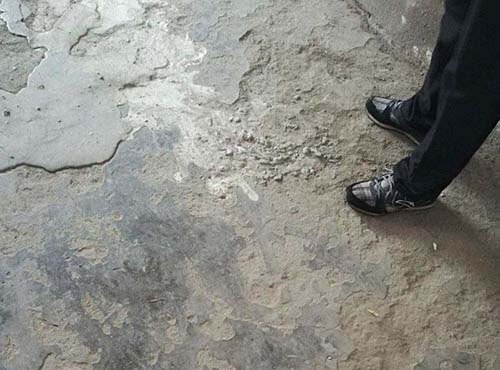
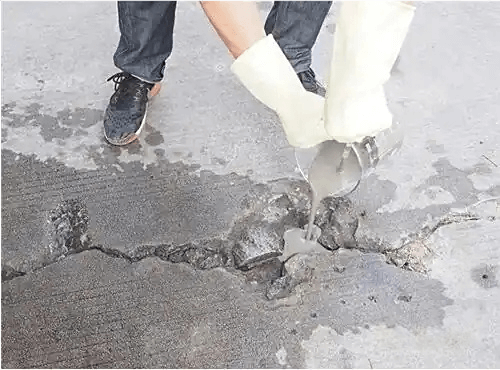
The Floor Requirements For Installing Auditorium Seating aren’t very strict, but there are a few non-negotiables. First and foremost, whether your venue has a concrete floor, wooden floor, or carpet, the ground must be flat and solid. This is the prerequisite for a successful installation. A flat floor ensures the chairs won’t tilt, while a solid one is essential for stability. If your floor is old and falling apart, you must repair it before starting the installation. For example, if a concrete floor is crumbly, drilling into it will create large, loose holes. This means the expansion bolts won’t get a tight grip, and the chairs will become wobbly soon after they’re put into use.
Installation on Steps and in Curved Venues
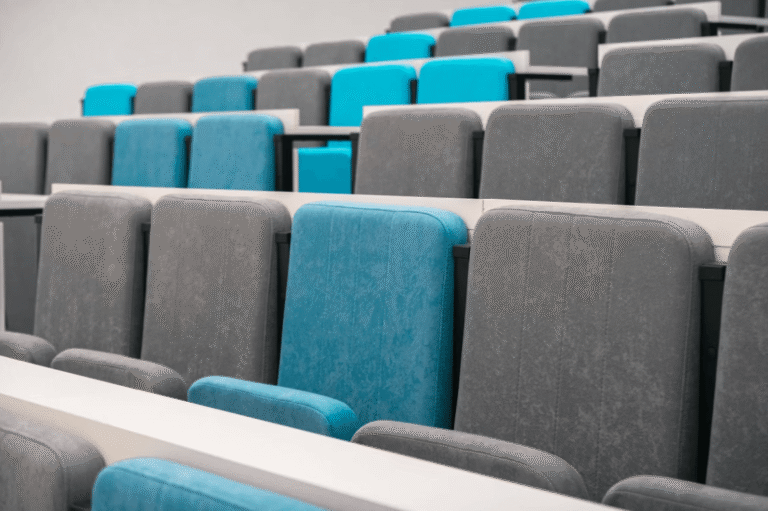
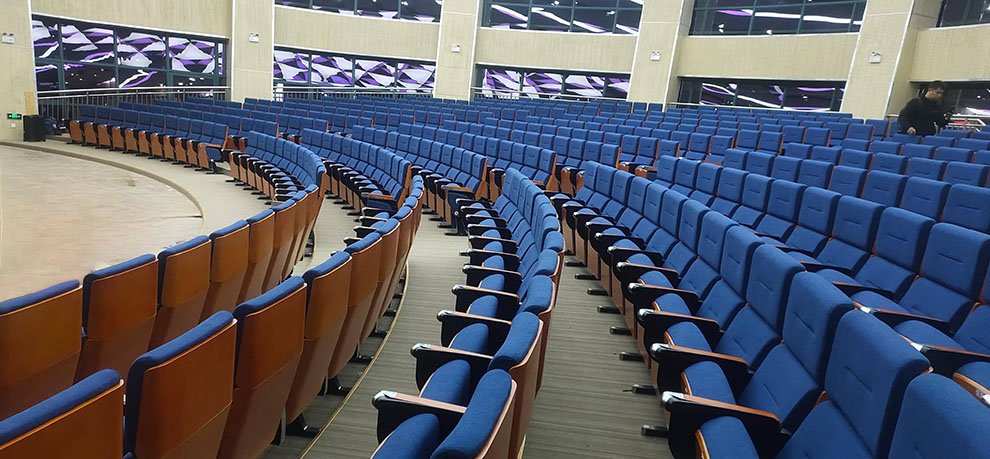
Clients often ask: ” Will A Curved Venue Or A Space With Steps Affect The Installation? ” The answer is no. Our auditorium seating can be installed in straight rows, curved layouts, or on tiered steps. However, there are a few things to keep in mind if your venue has or will have steps. We recommend that each step be no more than 150mm high. If the steps are too tall and you plan to use rear-mounted writing tablets, the height difference between rows will be too great. This can make the tablets too far away for comfortable and ergonomic use.
Additionally, we recommend a step depth of 1000mm or a multiple of 1000mm. If the steps are too narrow, there won’t be enough space for people to walk past the chairs. If they’re too wide, it can be a waste of space. For curved venues, installation is completely fine, but you’ll need to provide us with a CAD drawing of your floor plan before placing your order so we can provide the correct installation accessories.
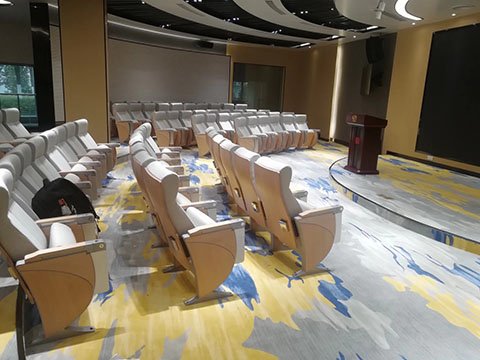
Dealing with Carpeted Floors
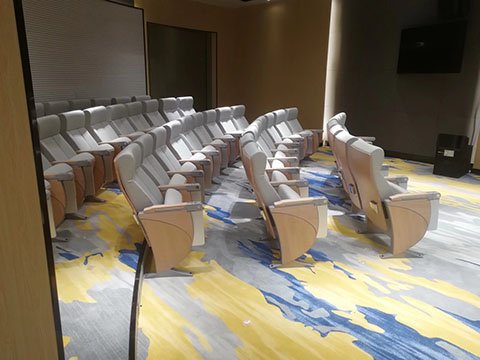
Another common question is: ” Can Auditorium Seating Be Installed Over Carpet ? ” The process is the same as for a regular concrete floor. You first use an impact drill to create holes in the concrete and then use expansion bolts to secure the chair legs to the floor. After drilling, some concrete dust and debris will be left behind, which you’ll need to clean up with a vacuum once the chairs are installed.
Protecting Your Wooden Floors
If your venue has wooden flooring, be aware of the risk of scratches. Our chair legs are made of metal, so if the movers or installers are careless or rough, they could scratch the floor during delivery, unpacking, and installation. It’s crucial to instruct your team to handle the chairs with care and, if possible, have a supervisor on-site to ensure the process goes smoothly.
A Quick Look at the Installation Process
For a more detailed breakdown, you can read our guide on The Detailed Installation Steps For Auditorium And Theater Chairs . Here’s a brief overview:
- After the chairs are delivered to your venue, call your installation team.
- Make sure the installers are professional and experienced. Since the chairs are secured with expansion bolts, an inexperienced installer might drill a hole in the wrong spot, leaving a permanent and unsightly mark on your floor. This is especially true for wooden floors, where a mistake can be irreversible.
- The team will use your CAD layout plan to measure, drill holes, install the leg frames, and then attach the seats and backrests.
- Once the installation is complete, you should inspect the work. After you’ve approved everything, you can issue a sign-off report and pay the installation fee.
Factors That Affect Longevity
Product Materials and Design
What Impacts The Lifespan Of Auditorium Seating ? A lot of things, starting with the chair itself.
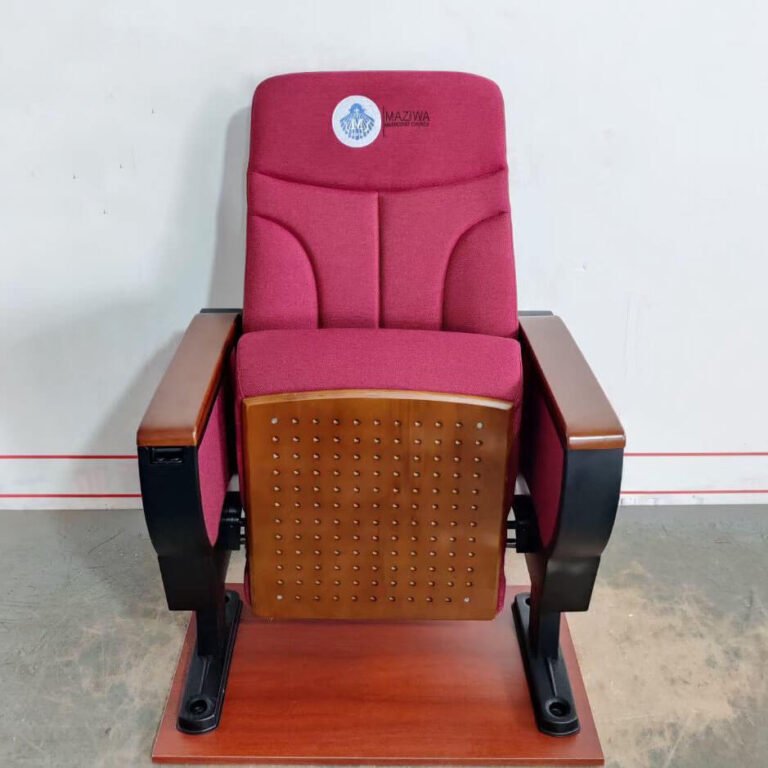
- Material Selection: The chair legs are available in steel, aluminum alloy, and wood. In terms of durability, aluminum alloy is the best. Steel may be prone to paint chipping and rust after years of use.
- Structural Design: The outer shell of the seat and backrest can be made of plastic or a plywood and painted finish. Plastic has a lower weight-bearing capacity. If the chairs will be used frequently, we recommend choosing the more durable plywood and painted shell.
- Daily Usage: Even the highest-quality chairs won’t last if they’re mistreated. We occasionally have clients who need to re-order writing tablets because they were damaged by rough users. Educating people to respect the chairs is always a good idea.
- Environmental Factors: If your venue has large glass windows that get a lot of direct sunlight, we recommend installing curtains. Keeping the curtains drawn when the chairs aren’t in use will prevent the upholstery fabric from aging and fading prematurely.
Installation Quality and Stability
Our auditorium seating comes in two types: Fixed-Leg And Movable-Leg . The fixed-leg chairs are secured to the floor with expansion bolts, which guarantees excellent stability. Our chairs can easily support a 100 kg person. The movable-leg chairs, while not bolted to the floor, have an enlarged and widened base to ensure stability. This option is perfect for venues that don’t allow permanent fixtures or need to rearrange their seating frequently. Neither type is superior; they simply cater to different needs.
Frequency of Use and Weight Capacity
Venues like schools, auditoriums, and movie theaters have different usage frequencies. We advise clients to choose their materials based on how often the chairs will be used. If the chairs won’t be used often and you want to keep costs down, an economical or budget-friendly model might be a good fit. However, if the usage is high, a larger budget for more durable materials should be a priority to ensure a long service life.
Routine Maintenance and Upkeep
Our chairs don’t require special maintenance, but you should still perform regular checks. Make sure the screws are tight and there’s no damage to any of the parts. If a part is broken, you can repair it or order a replacement. If you have steel legs and the paint starts to peel, you can remove the loose paint, sand the area, and apply a fresh coat of spray paint to prevent rust and further deterioration.
Cleaning and Maintenance Tips
The Cleaning And Maintenance For Auditorium And Theater Chairs are quite similar.
- Fabric & Leather Upholstery: For day-to-day cleaning, you can gently pat the surface with a wrung-out damp cloth to remove dust. For stubborn stains, we recommend using a neutral detergent to avoid chemical corrosion.
- Chair Legs & Outer Shells: These parts can also be wiped down with a damp cloth.
- Deeper Maintenance: If a chair starts squeaking, it’s likely a parts issue. You can carefully locate the source of the noise, disassemble the chair, and apply a little lubricant before putting it back together.
Summary
After reading this article, you should have a better understanding that auditorium seating installation is more than just bolting chairs to the floor. It involves a range of factors, including venue conditions, the usage environment, and routine maintenance. Taking these points into consideration will help ensure your chairs are safe, look great, and last for a long, long time.