
1. Introduction
In my previous article, How to Choose and Arrange Theatre Seating , I briefly touched upon the fact that theater chairs can be divided into commercial theater chairs and home theater seating. This article will help you choose the best seating for your needs by comparing their features, design, and materials.
Whether you’re looking to procure seating for a large cinema or searching for the perfect home theater seating for your private space, we hope this comparison between the two styles of commercial theater chairs will be helpful.
2. Features of Home Theater Seating
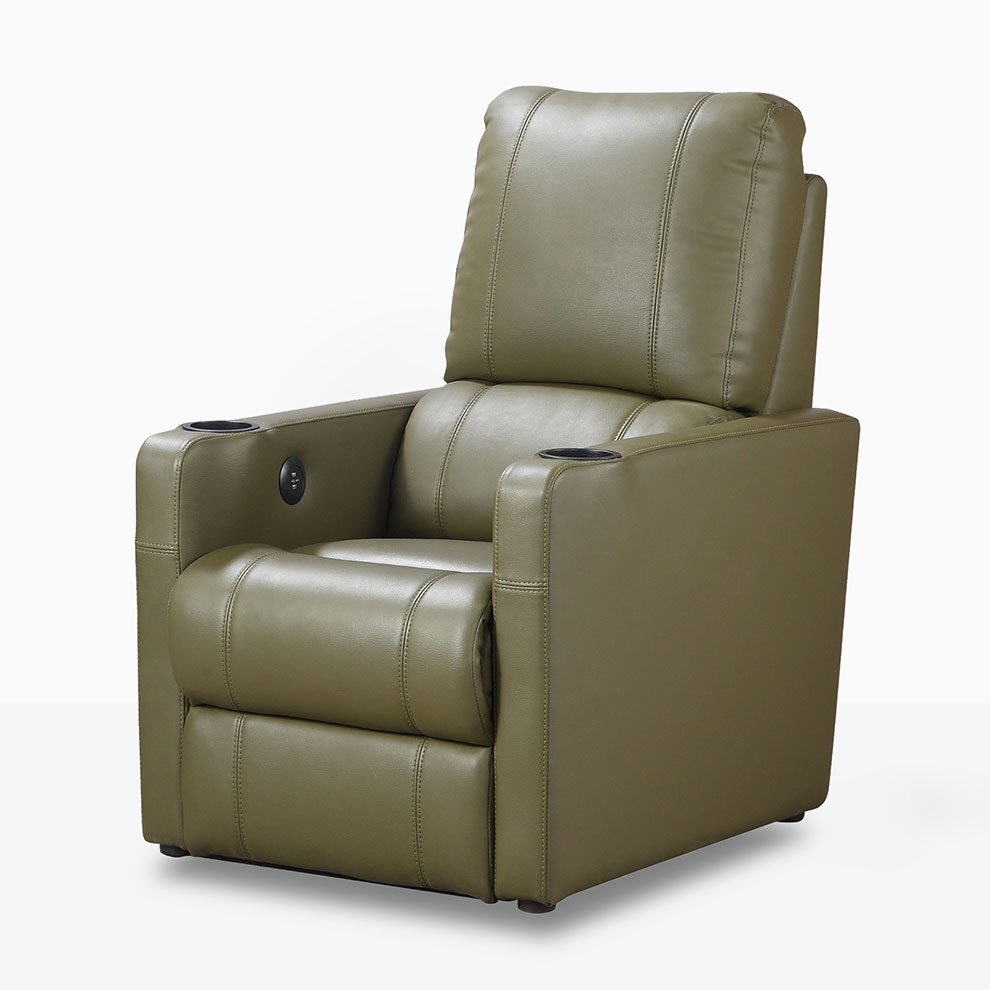
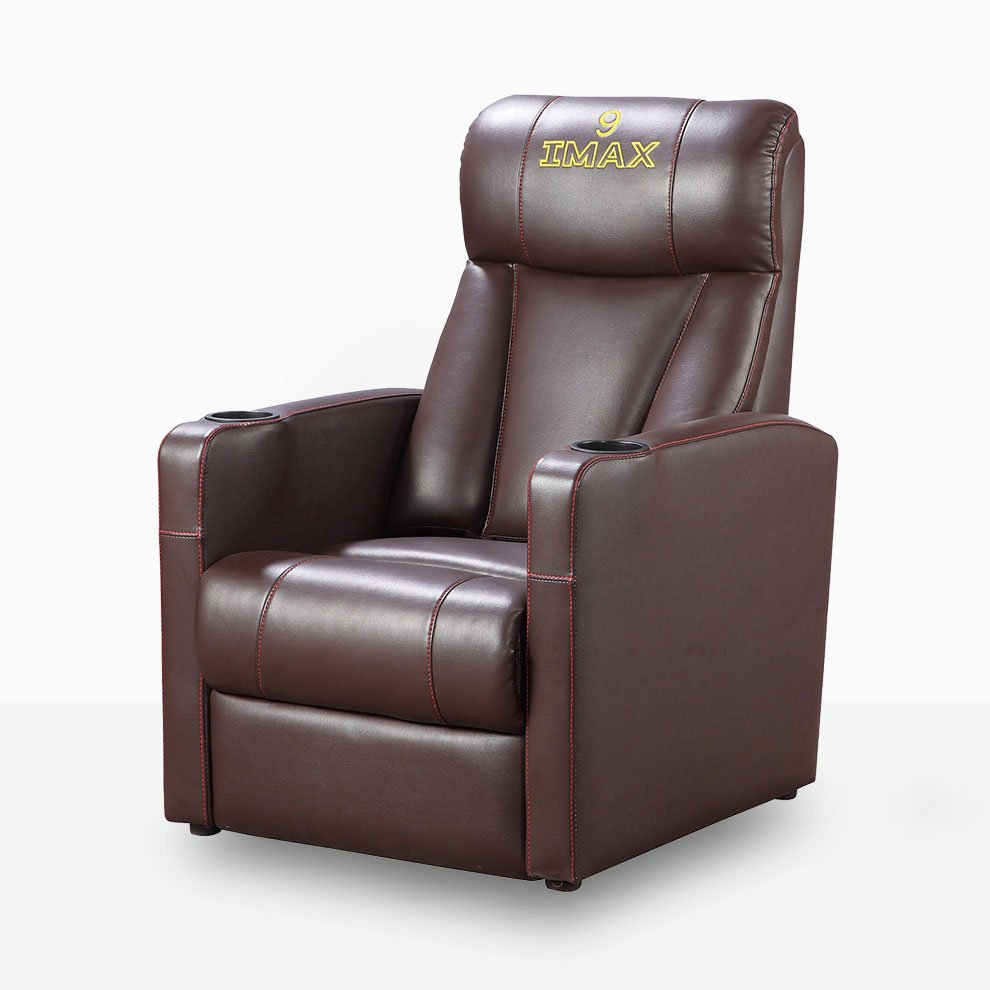
Home theater seating is all about maximizing function and comfort for a personalized, luxurious experience.
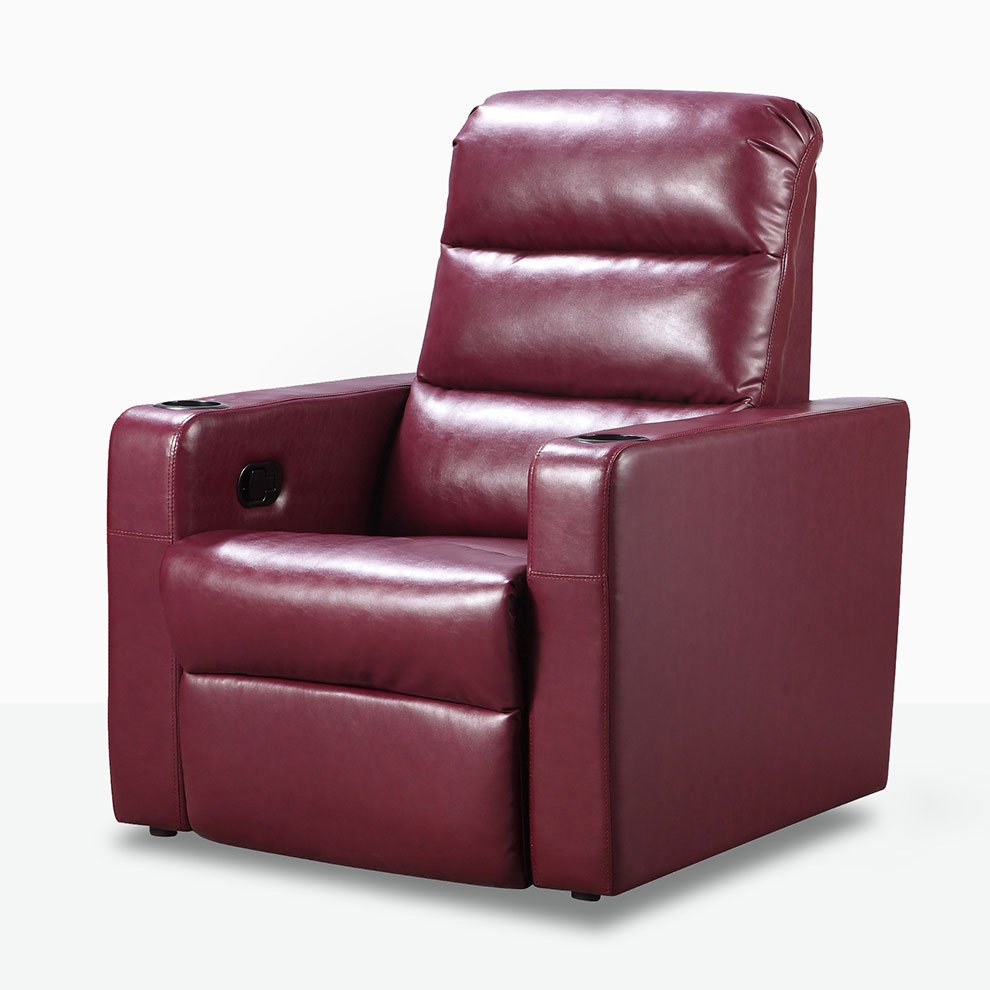
- Functionality: Since the purchasing volume is small, clients often want the full suite of features. Therefore, lie-flat recline, multi-seat configurations, USB ports, cup holders, and optional storage functions are typically standard features for private home theater seating.
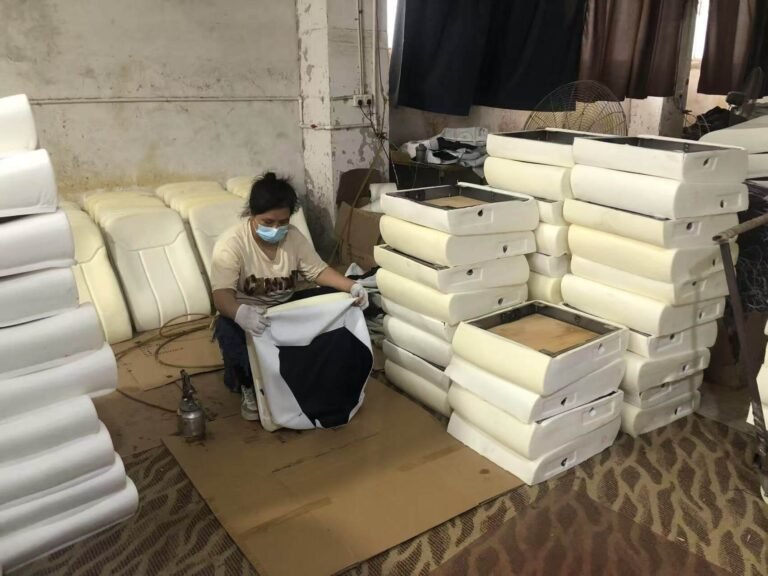
- Comfort: Clients seek a luxurious experience, so we usually use high-density foam (often hand-crafted) and offer options for genuine leather or microfiber leather during production.
- Size and Layout: You can first confirm the dimensions of your space, and we will arrange the seating accordingly. Whether you want independent single seats or multiple seats connected in a row, we can accommodate you. We’ve written another article, Home Theater Seating Dimensions and Layout, which you can click on to read for more details after finishing this one.
- Style and Design: Most of our home theater seating features a modern minimalist design, and customers can Customize Their Theatre Seating according to their preferences, including materials, colors, appearance, and logos.
3. Features of Commercial Theater Chairs
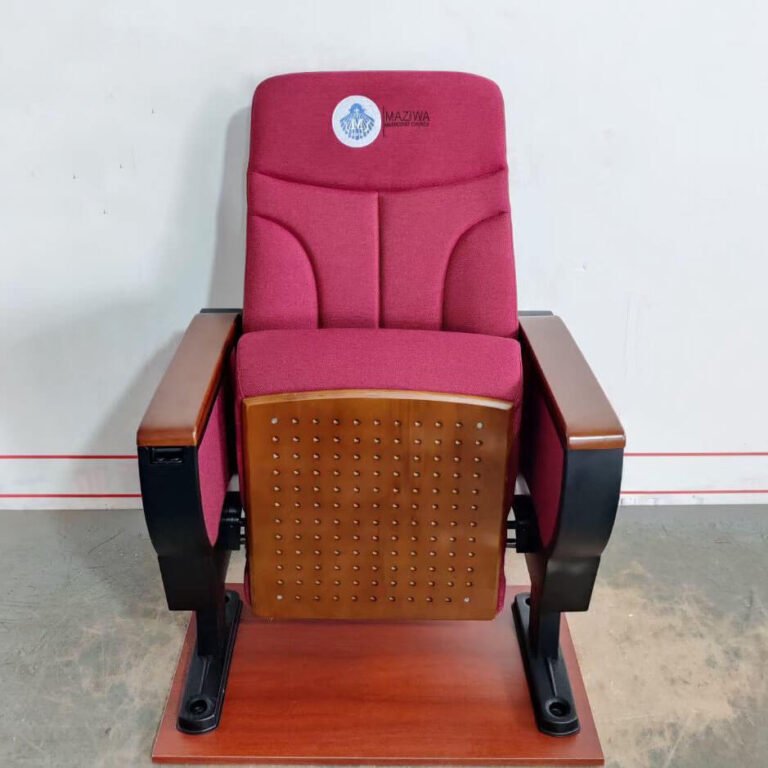
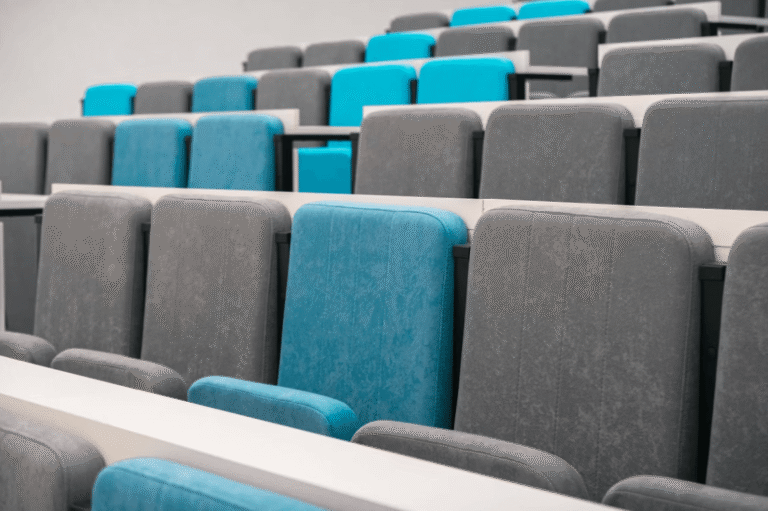
Commercial theater chairs prioritize durability, safety, and maximizing capacity, as they are designed for high-traffic public venues.
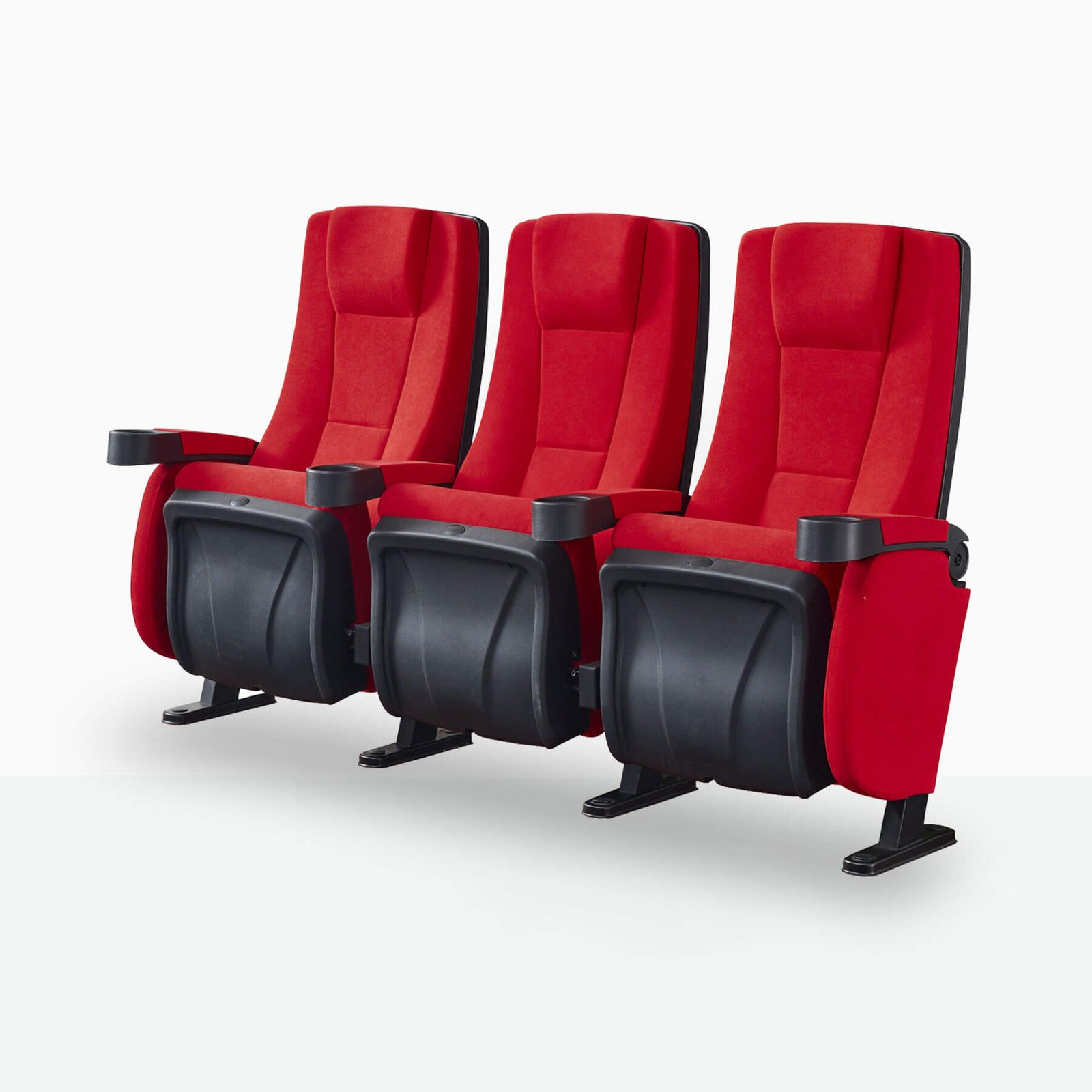
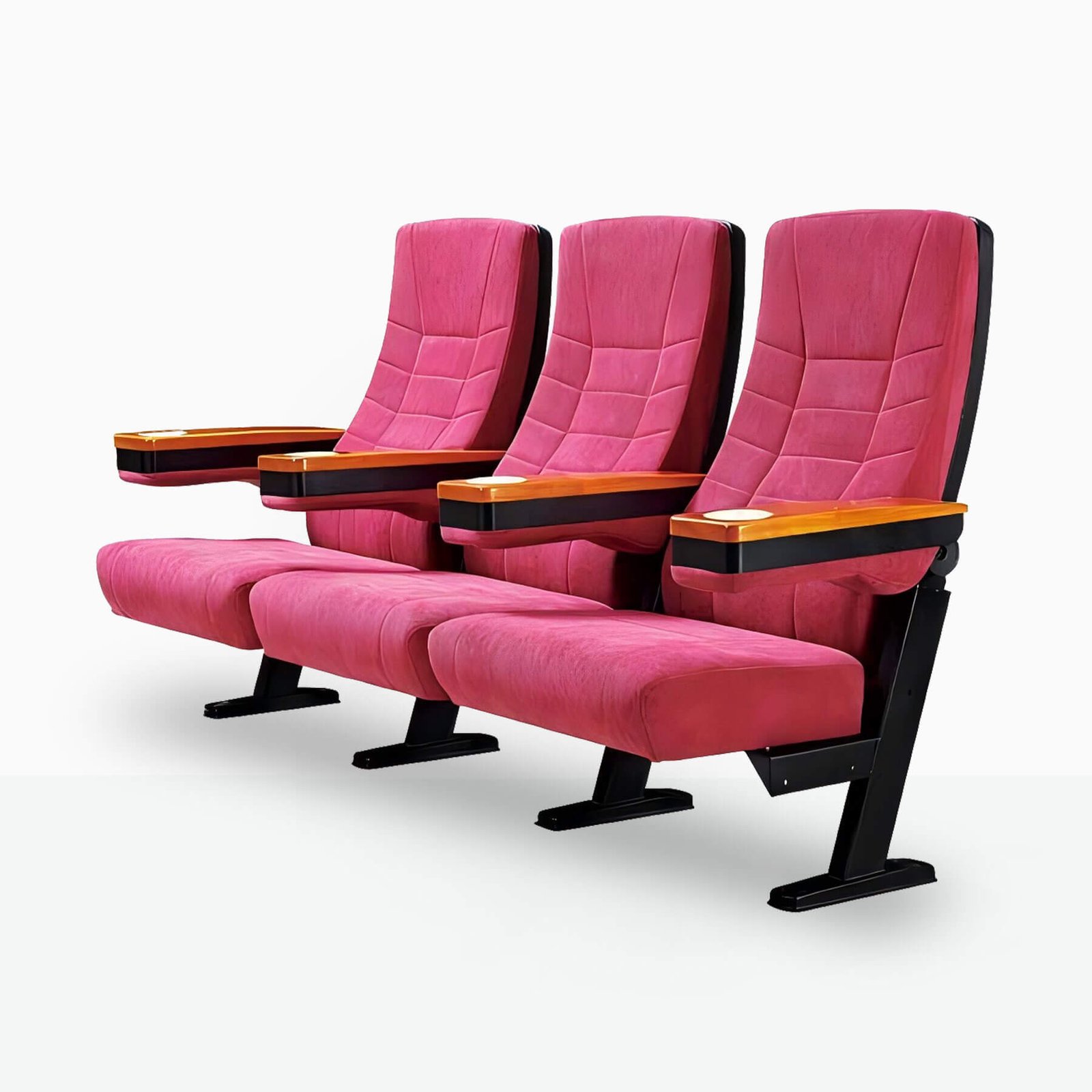
- Functionality: Seating is typically fixed in rows and anchored to the floor with expansion bolts to ensure maximum durability. Since commercial cinemas are high-traffic public places, they are very likely to require Fire-retardant Treatment (according to your local regulations). The armrests come with popcorn cup holders for the audience. Except for some VIP lounges, regular screening rooms rarely require a reclining function.
- Comfort: They are produced using molded foam and standard fabric/wear-resistant PU leather. Molded foam never loses its shape, and its hardness can be adjusted according to customer requirements. These chairs focus on long-term use and durability, so the seating feel may be less plush than the handcrafted foam used in home theaters.
- Size and Layout: Generally speaking, home theater seating is usually wider and larger than its commercial counterparts. This is because commercial cinemas focus more on space utilization efficiency, while private home theaters prioritize absolute relaxation and will have a less dense seating arrangement.
- Style and Design: The look is stable, professional, and emphasizes safety and durability for public use.
4. Comparing Home Theater and Commercial Theater Seating
Here’s a quick comparison to help you understand the differences at a glance:
| Feature | Home Theater Seating | Commercial Theater Chairs |
| Functionality | Recline vs. Fixed, USB Ports vs. Basic | Fixed vs. Recline (Rarely), Fire Retardancy Required |
| Material | High-end, comfortable leather (Genuine/Microfiber) | Durable fabric/PU leather, Molded foam |
| Size & Layout | Flexible for small spaces, Wider, Less dense | Standardized for large venues, Maximized space utilization |
| Style & Look | Custom-designed, Personalized | Stable, Professional, Focus on safety/durability |
| Price & Budget | Per unit/feature-rich, Higher individual cost | Bulk purchasing/Durability, Lower unit cost |
5. Purchasing Advice
Advice for Home Users:
Focus on comfort, style, and spatial adaptability. Consider adding features like USB ports and reclining functions to enhance your private viewing experience.
Advice for Commercial Theater Users:
Prioritize durability, fire safety standards, and bulk layout. Choose materials that are easy to clean and maintain (like molded foam and durable fabrics), and ensure the products comply with all local public safety regulations.
Tip: Always make a comprehensive judgment based on your functionality needs, material preferences, and budget.
6. Conclusion
The core difference is clear: home theater seating offers ultimate personalization and luxurious comfort; while commercial theater chairs are built for standardization, extreme durability, and public safety.