1. Introduction
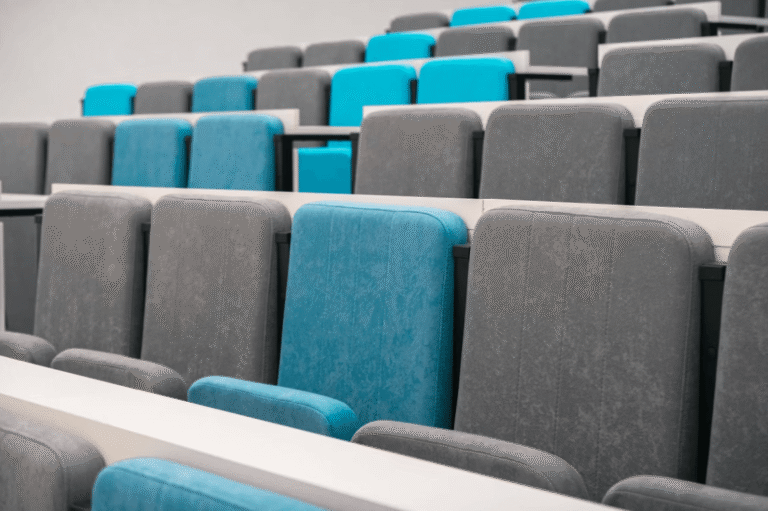
For customers who have never purchased our auditorium chairs, distinguishing between plastic and painted plywood shells on seat cushions and backrests can be confusing. You might notice a price difference, but what causes it? In this article, we’ll clearly explain the key differences between these two popular materials used in auditorium chairs. This comparison of Plastic vs Plywood Auditorium Seating Shells will help you understand how each option affects durability, appearance, and cost.
📌 For a comprehensive guide to our auditorium seating models, materials, and accessory configurations, please read our article Auditorium Seating Types and Materials.
2. Multi-Dimensional Comparison
2.1 Appearance & Design
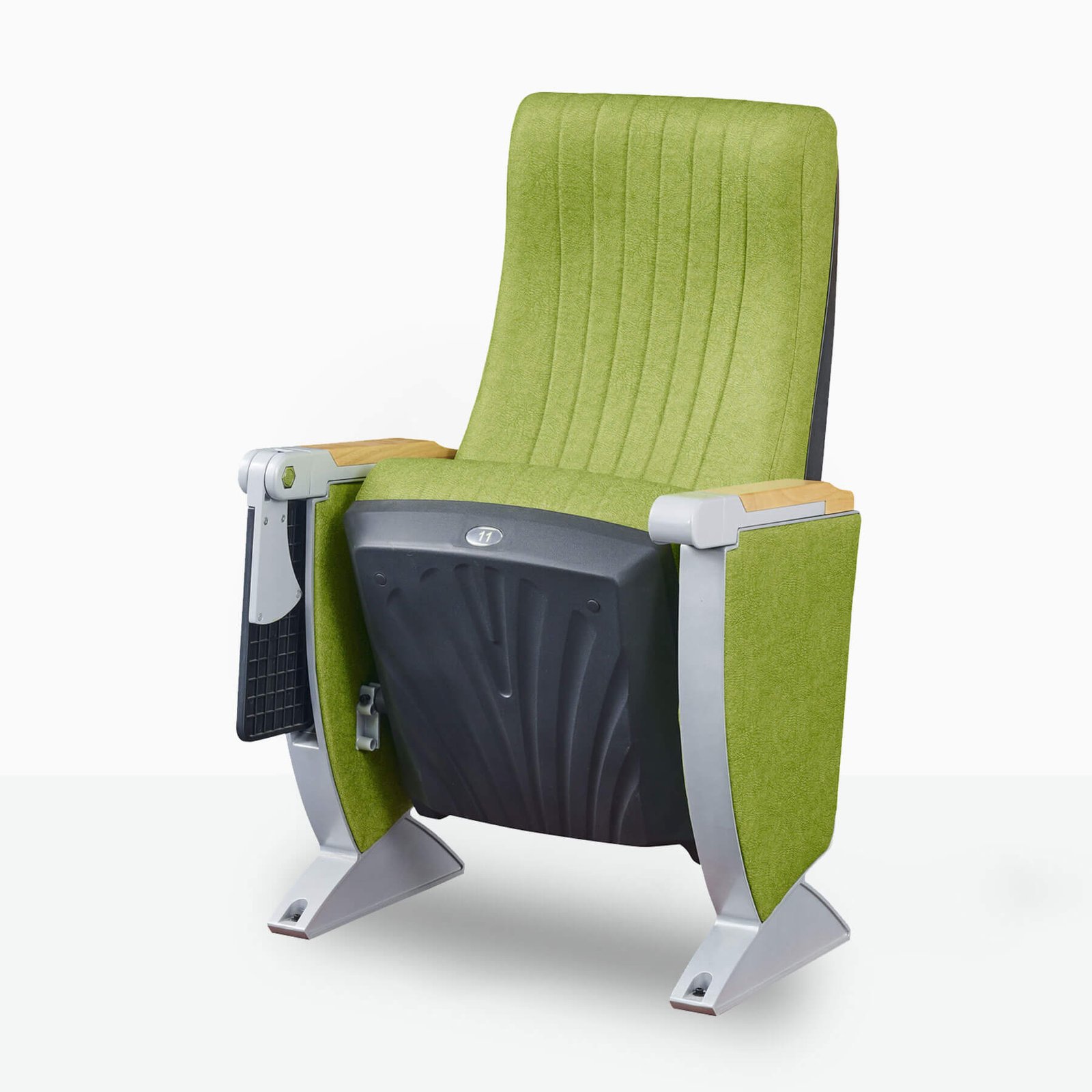
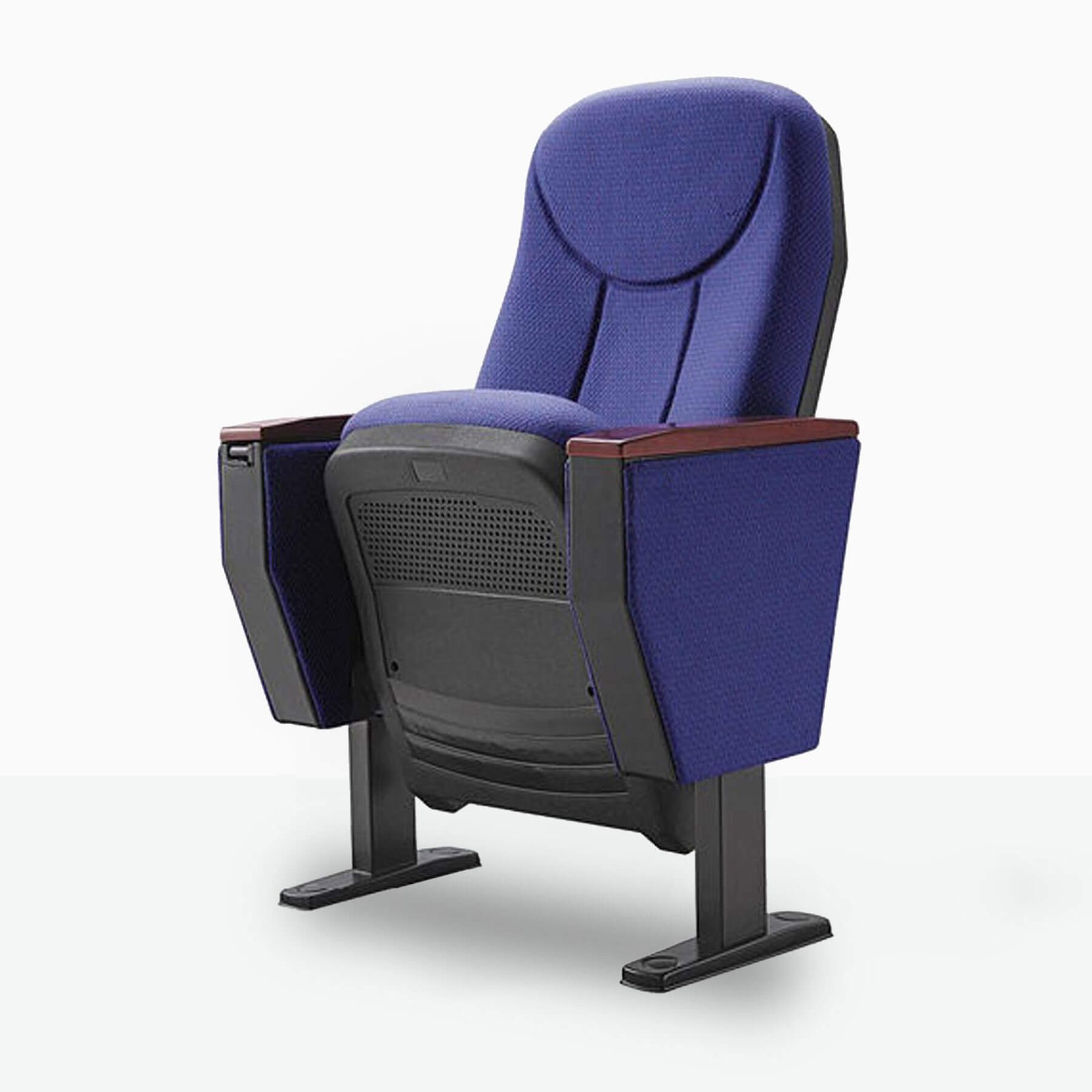
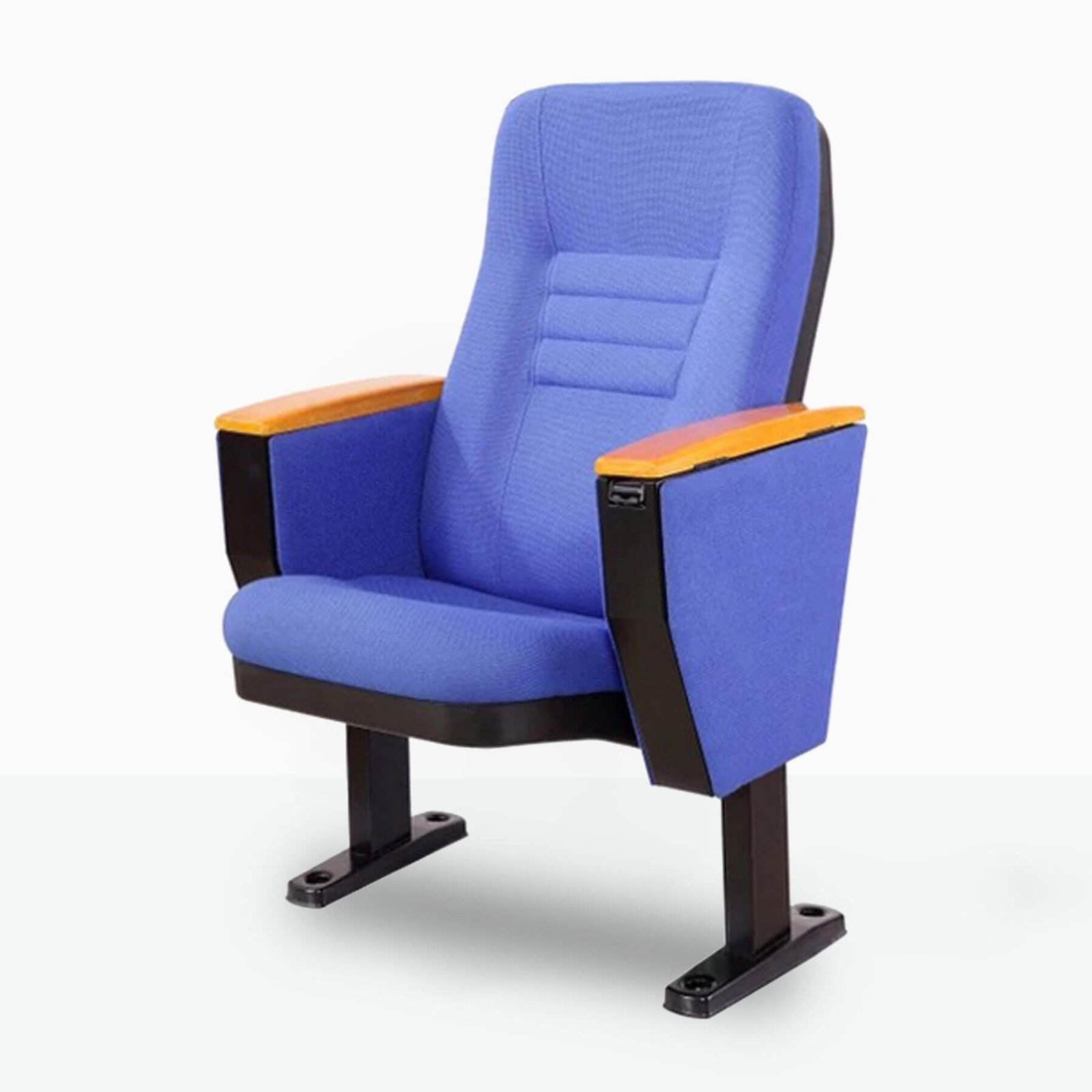
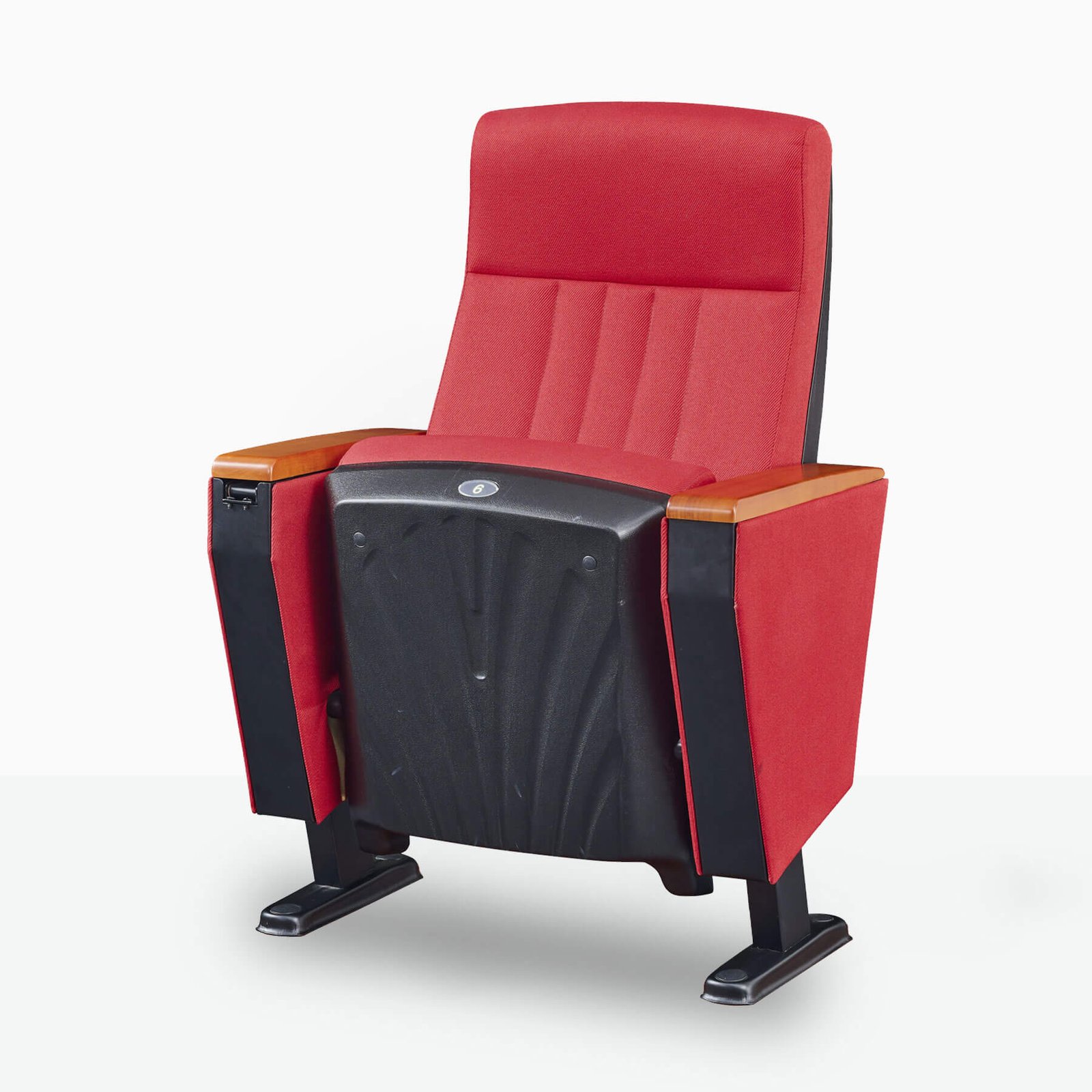
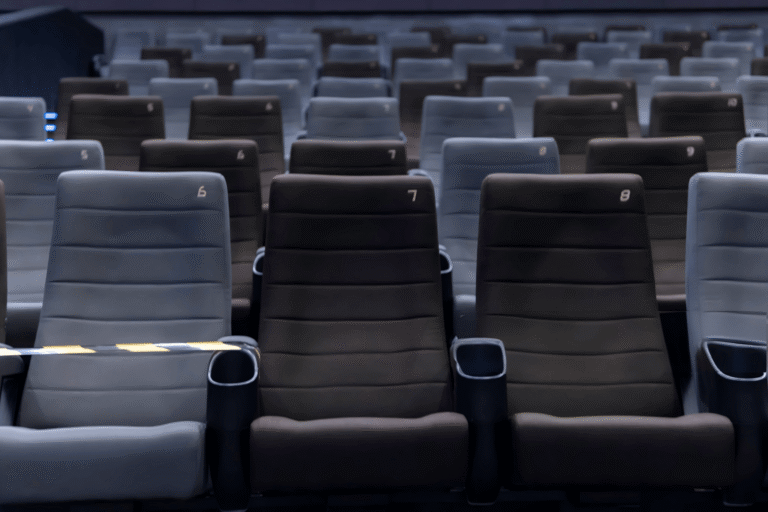
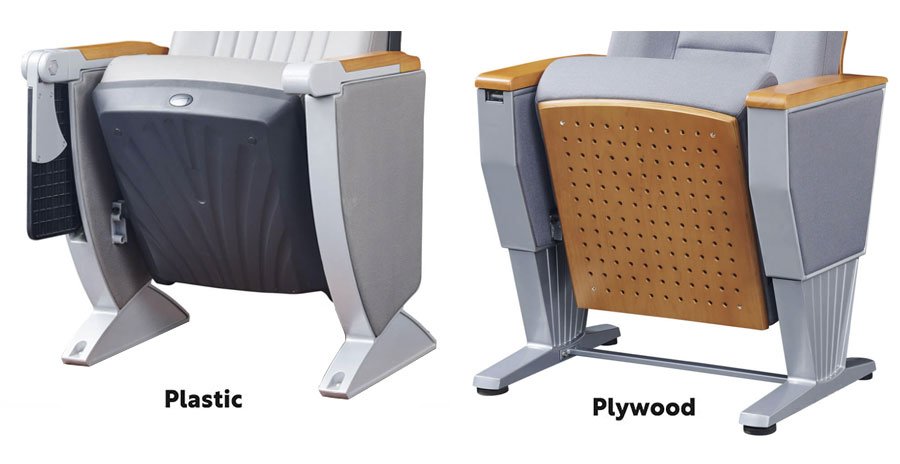
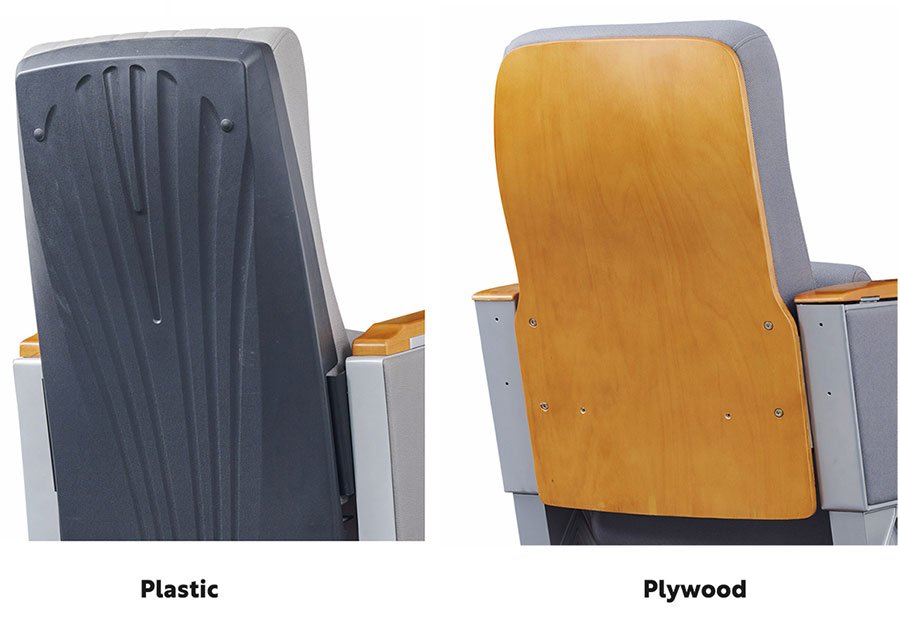
- Plastic Shell: Made from high-quality molded PP plastic. It offers a clean, simple look ideal for budget-conscious buyers. However, it’s typically limited to black, which may not appeal to those seeking custom aesthetics.
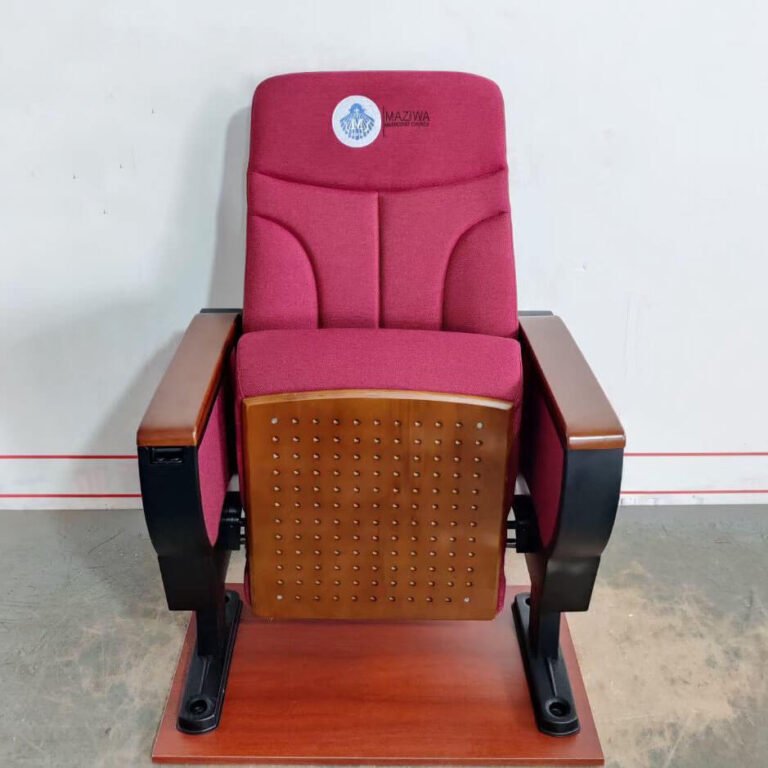
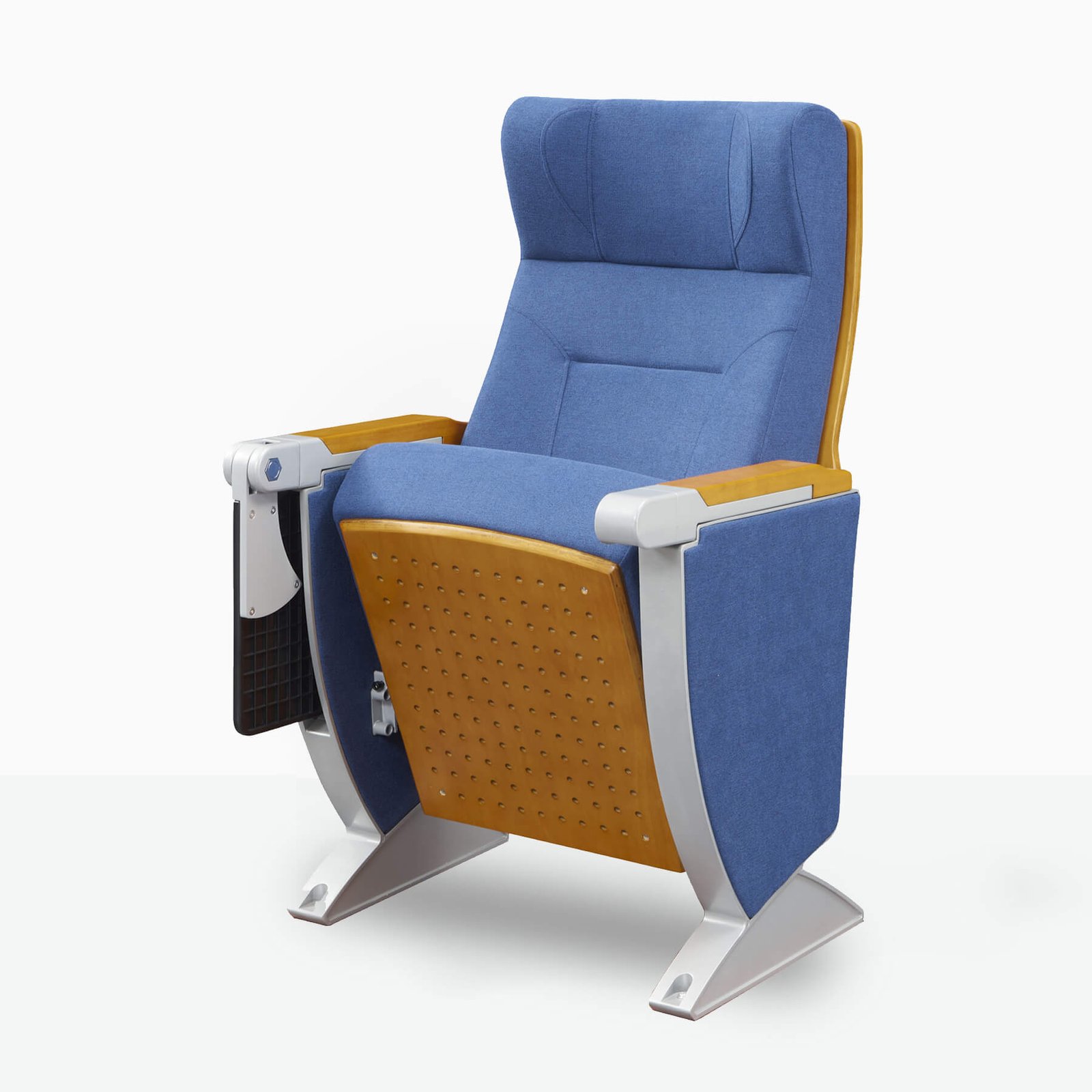
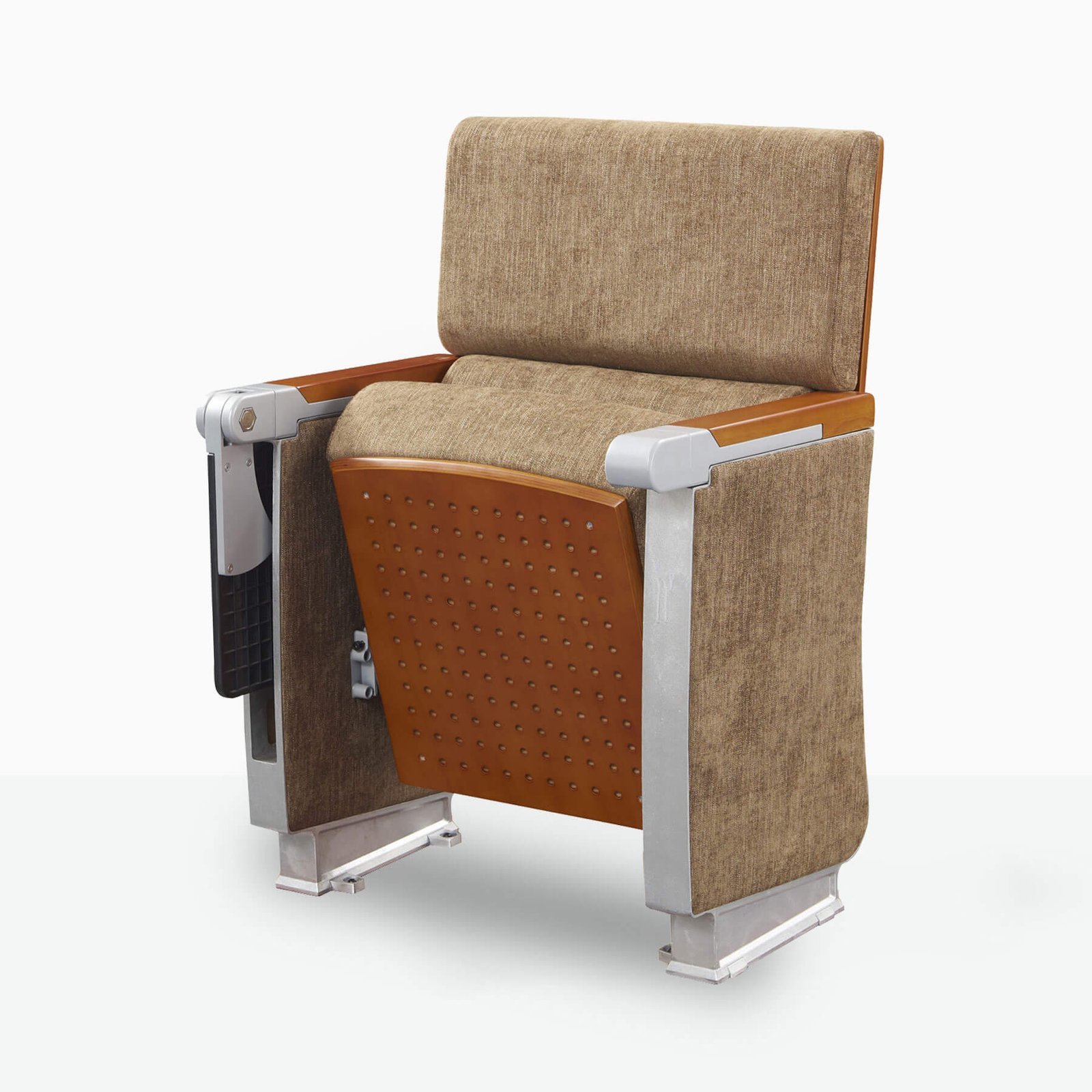
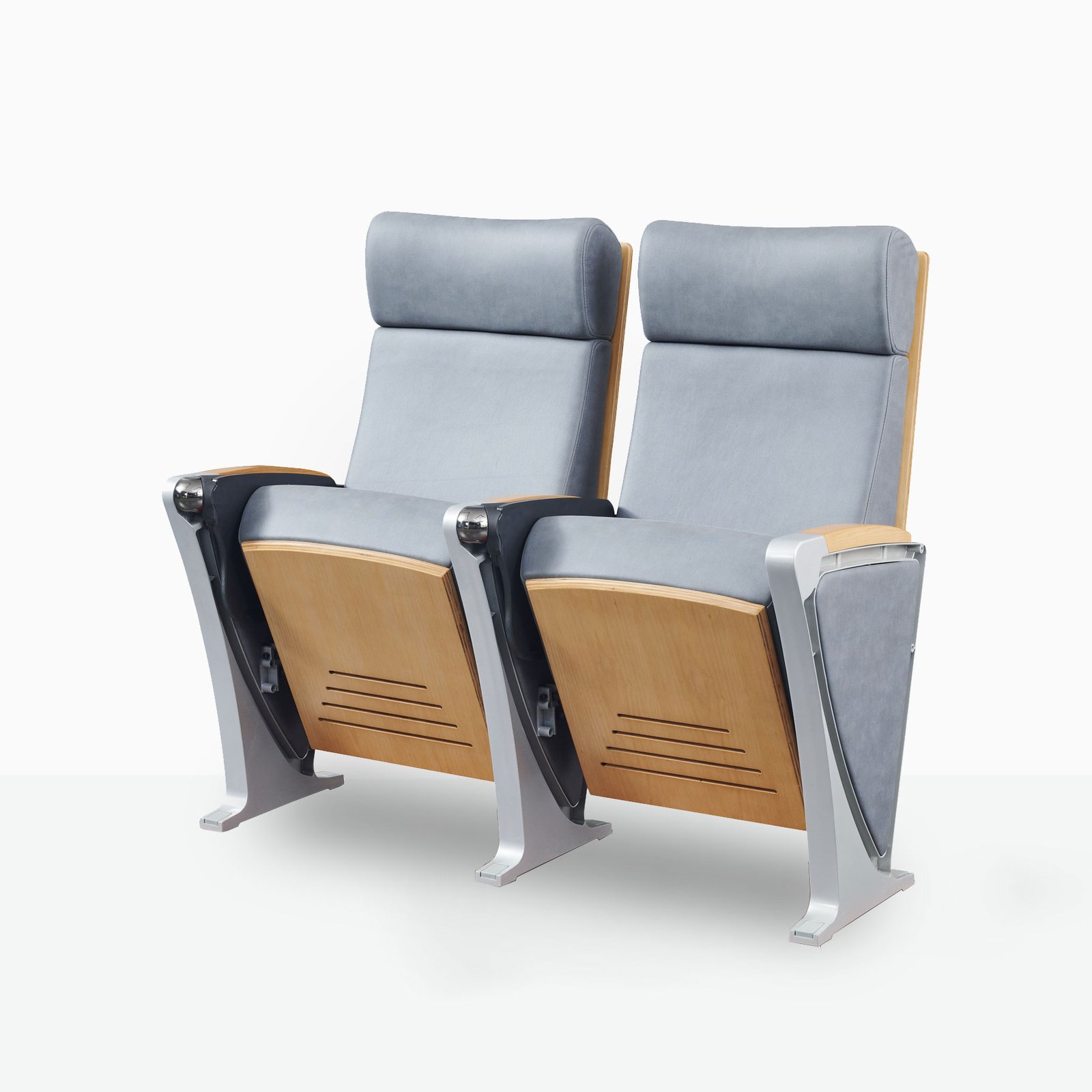
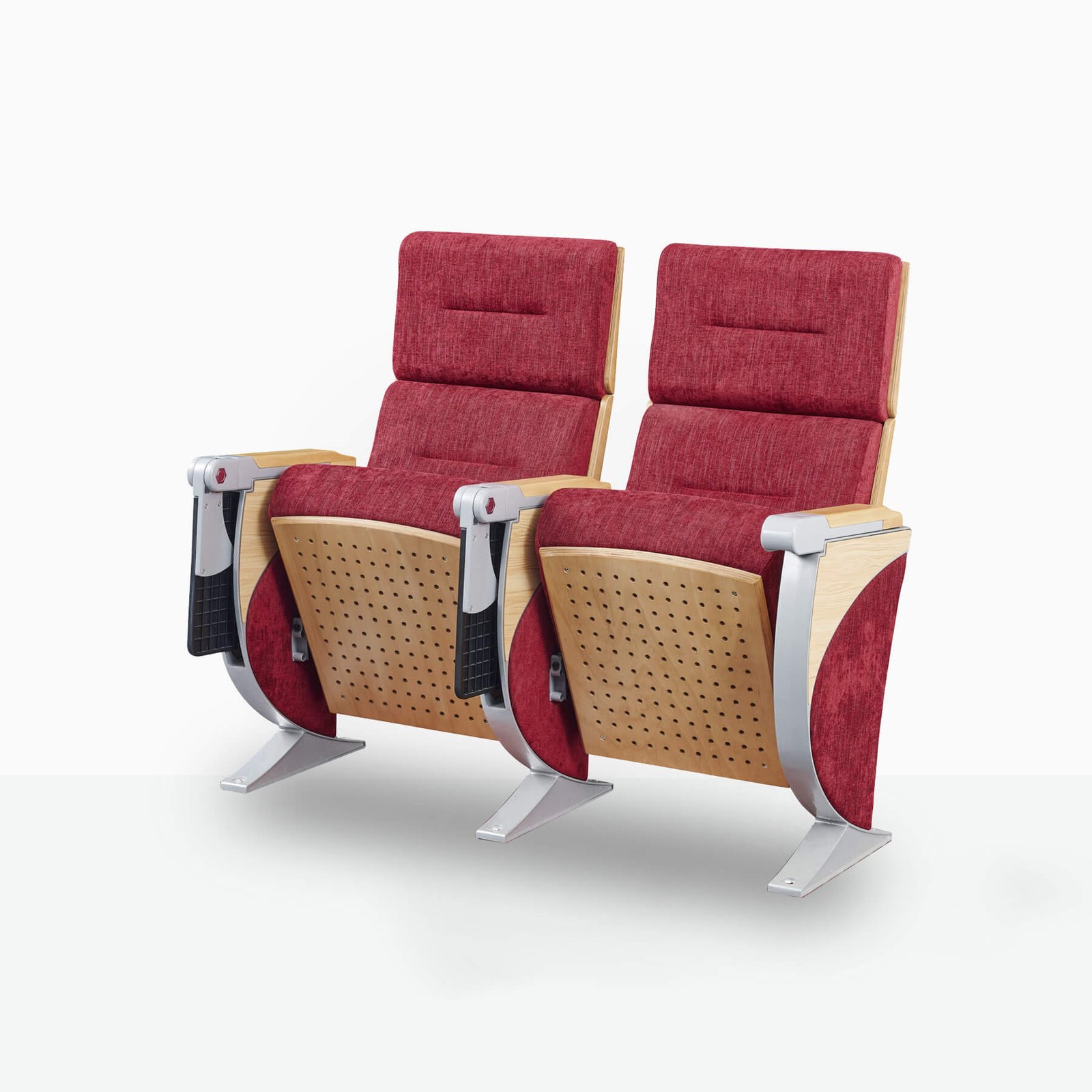
- Painted Plywood Shell: Made from durable multilayer plywood with veneer and eco-friendly paint. The natural wood grain and customizable color options make it ideal for clients seeking more elegant, high-end auditorium or lecture hall seating.
2.2 Durability & Lifespan
- Plastic Shell: Moisture-resistant and scratch-tolerant, but with lower load capacity. If the user weighs over 100 kg or sits down forcefully, the shell may crack over time.
- Painted Plywood Shell: Stronger and more load-bearing. Easily supports users over 100 kg. Painted surface resists moisture and pests. Avoid contact with sharp objects to maintain the finish.
2.3 Environmental & Safety Aspects
- Plastic Shell: Made with odorless, non-toxic raw materials. No strong smells.
- Painted Plywood Shell: Uses E1-grade plywood to minimize formaldehyde. A mild smell may be present upon delivery due to immediate packaging after production, but it dissipates after ventilation.
2.4 Maintenance & Cleaning
- Plastic Shell: Easy to clean and maintain. A quick wipe with a damp cloth is usually enough.
- Painted Plywood Shell: Also easy to maintain. Occasional wiping is sufficient.
2.5 Manufacturing Process & Cost
- Plastic Shell: Made using PP plastic molding, fast production. Around 200 seats can be completed in 7 days. Cost-effective, ideal for limited budgets.
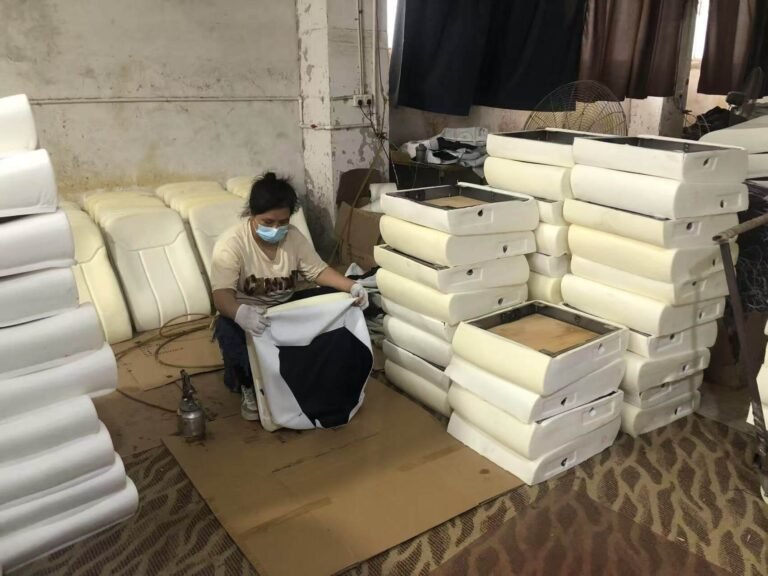
- Painted Plywood Shell: Involves complex steps—molding, cutting, sanding, veneering, multiple layers of painting and drying. Higher material and labor cost. Production for under 400 seats takes about 15 days from deposit.
3. Summary & Buying Recommendations
3.1 Comparison Table
| Feature | Plastic Shell | Painted Plywood Shell |
|---|---|---|
| Appearance & Design | Molded from high-quality PP plastic, smooth and minimal design, only in black | Natural wood grain with veneer and eco-friendly paint, color customization available |
| Durability & Lifespan | Moisture-resistant and wear-resistant, but weaker load capacity (risk of cracking over 100kg) | Strong structure, load-bearing, durable with proper care |
| Environmental & Safety | Made from odorless, non-toxic raw materials | E1-grade plywood, eco-friendly paint with mild initial odor (disappears after ventilation) |
| Maintenance | Easy to clean, low maintenance, just wipe with a damp cloth | Also easy to clean, no special maintenance needed, but avoid scratching the paint |
| Production & Lead Time | Injection molded, efficient production, ~7 days for 200 seats | Complex multi-step process (cutting, sanding, painting), ~15 days for <400 seats |
| Cost & Budget Fit | Cost-effective option for schools, meeting rooms, public halls | Premium choice for auditoriums, lecture halls, and high-end venues |
3.2 Usage-Based Suggestions
- For school multimedia classrooms, corporate or hotel meeting rooms, or public halls with a limited budget, choose plastic shell auditorium chairs.
- For academic auditoriums, large conference rooms, or prestigious lecture halls, choose painted plywood shell auditorium chairs for better aesthetics and durability.
3.3 Manufacturer Advantage
We are a direct auditorium chair manufacturer located in Foshan, China—the world’s furniture capital and the hometown of Kung Fu. Since 2008, we’ve focused on producing quality public seating tailored to global clients’ budgets and preferences. We offer both plastic and plywood auditorium chairs, with full customization support.
4. Learn More About Auditorium Chairs
If you found this article helpful, we’re glad! But understanding chair shells is just the beginning. We’ve published other guides covering different materials, cost ranges, and functional parts of auditorium furniture. Click the links below to explore more.
- 《 How to Choose a Reliable Supplier for Auditorium Chairs 》
- 《 Auditorium Chair Base Comparison: Steel, Wooden or Aluminum Alloy Legs 》
- 《 Auditorium chairs vs. Cinema chairs 》
- 《 Step-by-Step: Order and Export process 》
- 《 Yeplley Seat | Explore Our Project Case Studies 》
- 《 Yeplley Seat | About Our Factory & Story 》
5. Contact & Call to Action
Need help choosing the right auditorium chair? Want to request samples or get a quote?